Ferro Silicon Powder

Ferro Silicon Powder

Anyang Mingrui Silicon Industry Co.,Ltd was founded in 2010, located in Anyang city, has been developing as the leading manufacturer of ferro alloys in China. The main products are: silicon metal, silicon powder, silicon slag, silicon briquette, Ferro silicon, FeSi inoculant, FeSi briquette, Calcium silicon, cored wire, FeSiAl alloy, Si-Al-Ba-Ca alloy, etc. We have more than 10 years experience on ferroalloy and silicon materials in China. Our products are mainly exported to Korea, Japan, India, Vietnam and Australia etc.
Send Inquiry
Product Introduction
Your Professional Ferro Silicon Powder Supplier in China!
 

Anyang Mingrui Silicon Industry Co.,Ltd was founded in 2010, located in Anyang city, has been developing as the leading manufacturer of ferro alloys in China. The main products are: silicon metal, silicon powder, silicon slag, silicon briquette, Ferro silicon, FeSi inoculant, FeSi briquette, Calcium silicon, cored wire, FeSiAl alloy, Si-Al-Ba-Ca alloy, etc. We have more than 10 years experience on ferroalloy and silicon materials in China. Our products are mainly exported to Korea, Japan, India, Vietnam and Australia etc.

Advanced Production Equipment

The company is equipped with a complete set of production and processing facilities: Production equipment such as cold isostatic pressing machines, hot isostatic pressing machines, vacuum induction melting furnace, vacuum sintering furnace, vacuum distillation furnace, vacuum hot pressing furnace, high temperature sintering furnace, and other furnaces for kinds of metals production. Cold molding machines, vacuum unwrought equipment, lathes, grinders, wire cutting machine, and other equipment for materials forming and machining.

Quality Control

We run a strict quality control system and apply different instruments and methods during the manufacturing process, including chemical elements inspection devices, Mechanical Testing equipment, manual ultrasonic detecting instrument/hydro pressure test machine/bore scope facilities/eddy current test machine/hardness test machine/dimension measure and others, which can ensure that every step has been perfectly performed. We provide products in accordance with ASTM, ASME, MIL, AMS, DMS, AWS and JIS specifications.

Most Competitive Prices

We have established perfect supply chain management and lean production systems to reduce costs. We are always in pursuit of high-efficiency mass production and scientific management. Therefore, we are able to ensure you the highest product quality with the lowest prices.

Comprehensive Solutions

Supported by our rich experience in the field of high purity materials, we are able to help customers select materials, design products and provide them with technical support. We have an independent laboratory for use of the development and test of new materials and providing customers with technical consultancy.


Introduction of Ferro Silicon Powder


Ferro Silicon Powder is an indispensable deoxidizer in the steelmaking industry. In torch steel, ferrosilicon is used for precipitation deoxidation and diffusion deoxidation. Brick iron is also used as an alloying agent in steelmaking. Adding a certain amount of silicon to the steel can improve the strength, hardness, and elasticity of the steel, improve the permeability of the steel, and reduce the hysteresis loss of transformer steel.


Our Related Products
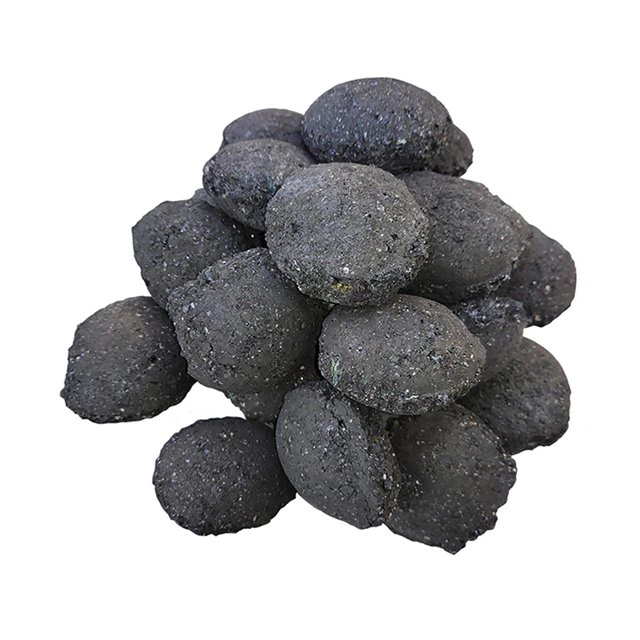
 

10-50mm Ferro Silicon

10-50mm Ferro Silicon

The 10-50mm ferro silicon manufacturer introduces that ferro silicon granules are mainly small pieces of ferrosilicon made by crushing and screening relative natural ferro silicon blocks. The price of ferrosilicon granules is generally more expensive than the same type of ferro silicon natural blocks.
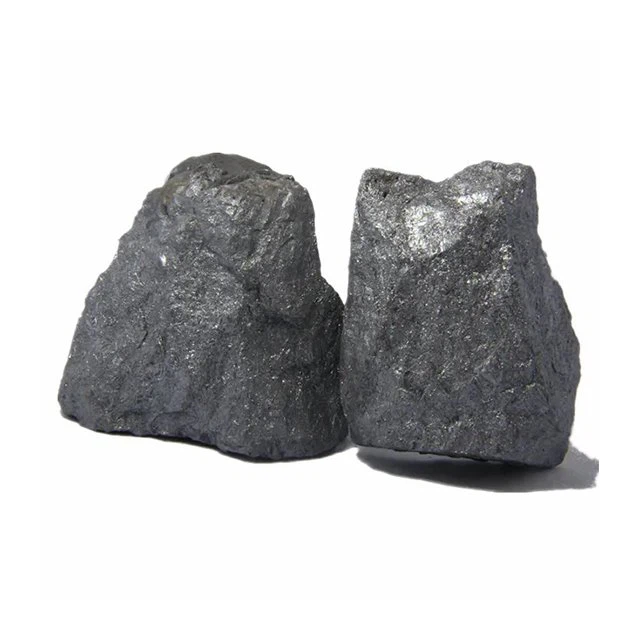
Ferrosilicon Production

Ferrosilicon Production

As we all know, ferrosilicon is an important iron alloy material widely used in metallurgy, chemical industry, electronics, machinery and other industries. Composed of two elements, silicon and iron, it has excellent properties and a wide range of uses.
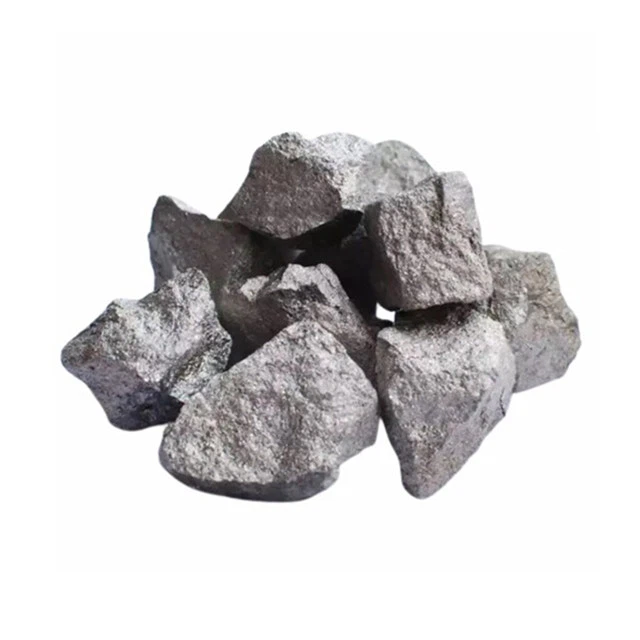
Low Aluminum Ferrosilicon

Low Aluminum Ferrosilicon

Low aluminum ferrosilicon is an alloy composed of iron, silicon, aluminum and other elements, in which the silicon content is more than 50% and the aluminum content is less than 1.5%. The main component of low aluminum ferrosilicon is silicon, so it is also called ferrosilicon alloy.
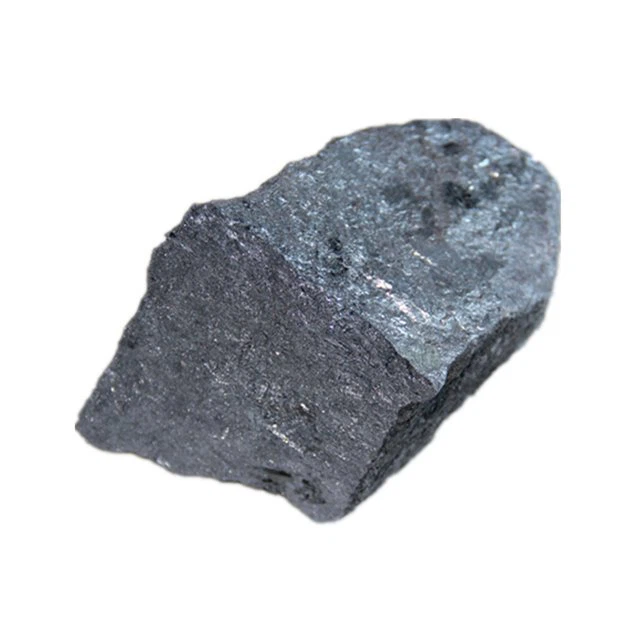
High Purity Ferrosilicon

High Purity Ferrosilicon

There are many types of ferrosilicon, and high purity ferrosilicon is one of them. So what is the background of the production of high-purity ferrosilicon? We understand that with the continuous improvement of steelmaking and casting processes, the requirements for the purity of ferrosilicon are getting higher and higher.
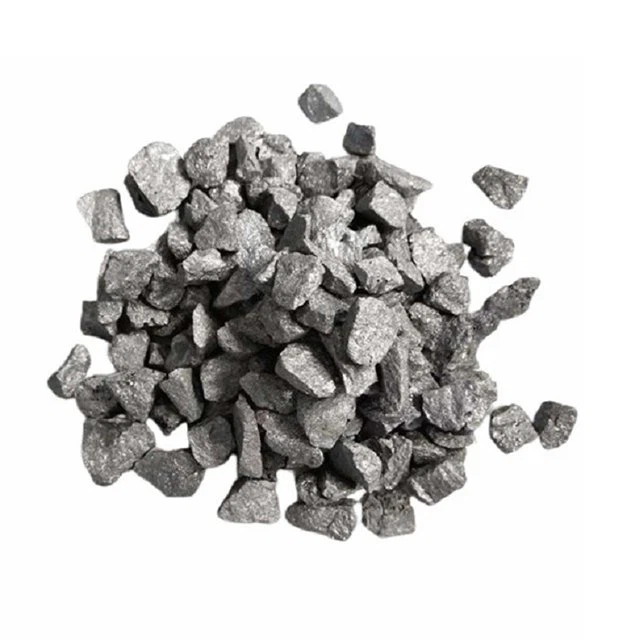
Low Ca Ferro Silicon

Low Ca Ferro Silicon

Ferro silicon is an alloy of iron and silicon with a silicon content in the range of 8.09-95.0% used as a deoxidizer or alloying element additive. Low Ca ferro silicon is an iron-silicon alloy made from coke, steel scraps, quartz (or silica) as raw materials and smelted in an electric furnace.
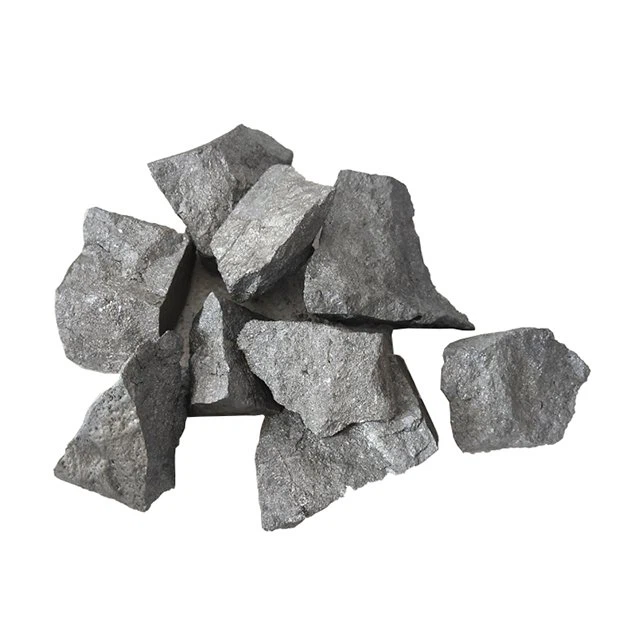
Ferro Silicon 65

Ferro Silicon 65

Ferro silicon 65 is an important alloy material because of its high silicon and low iron characteristics. It is widely used in the fields of steel, casting, electronics, and chemicals. Especially in the iron and steel industry, ferro silicon 65 is used as an alloying agent to effectively enhance the strength, wear resistance, and corrosion resistance of steel.
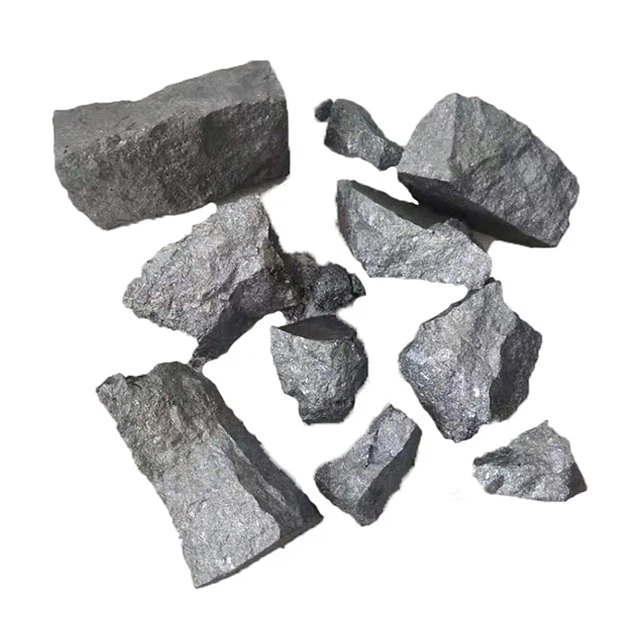
72 Ferrosilicon Alloy

72 Ferrosilicon Alloy

72 Ferro Silicon alloy is a common alloy material due to its excellent casting properties, forging properties, and heat treatment properties. It is widely used in industrial production. In the production and application of 72 ferro silicon alloy, particle size is an important parameter that directly affects the properties and uses of the alloy.
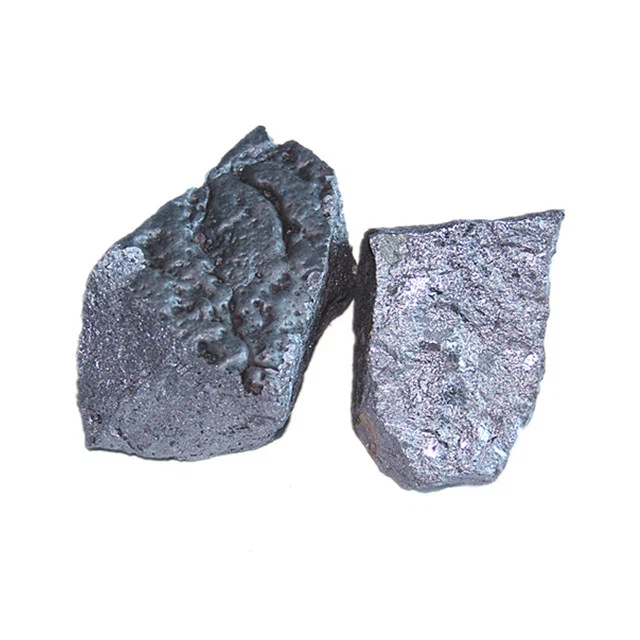
Ferro Silicon Alloy

Ferro Silicon Alloy

Ferro silicon alloy is an important industrial raw material that is widely used in the iron and steel, non-ferrous metals, and aerospace industries. It is important to understand the production process of ferro silicon alloy in order to improve product quality and reduce production costs.
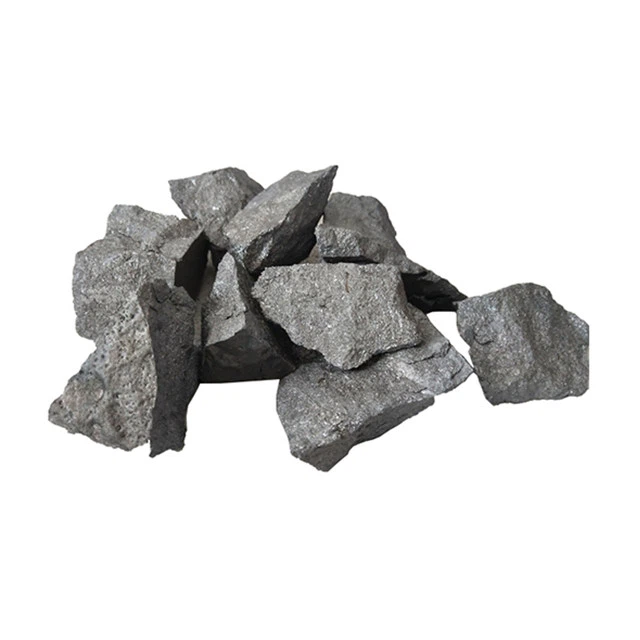
Ferro Silicon 70

Ferro Silicon 70

Ferro silicon is a resource with important strategic significance, and its main components are silicon and iron. Silicon is a non-metallic element, with high corrosion resistance, high heat resistance and high insulation characteristics, is an important material in electronics, communications, aerospace and other fields.


Features of Ferro Silicon Powder


1

High Silicon Content: Ferro Silicon Powder contains a high percentage of silicon, typically ranging from 15% to 90%, making it an excellent choice for alloying purposes.

2

Improved Strength and Hardness: Its addition to alloys enhances their mechanical properties, increasing strength and hardness while maintaining ductility.

3

Heat Resistance: Ferro Silicon Powder is known for its remarkable heat resistance, making it suitable for applications in high-temperature environments.

4

Electrical Conductivity: It exhibits excellent electrical conductivity, making it ideal for use in electrical and electronic applications.

5

Customizable Composition: Available in various silicon content percentages to meet specific alloying requirements.


Physical Properties of Ferro Silicon Powder

Particle Size

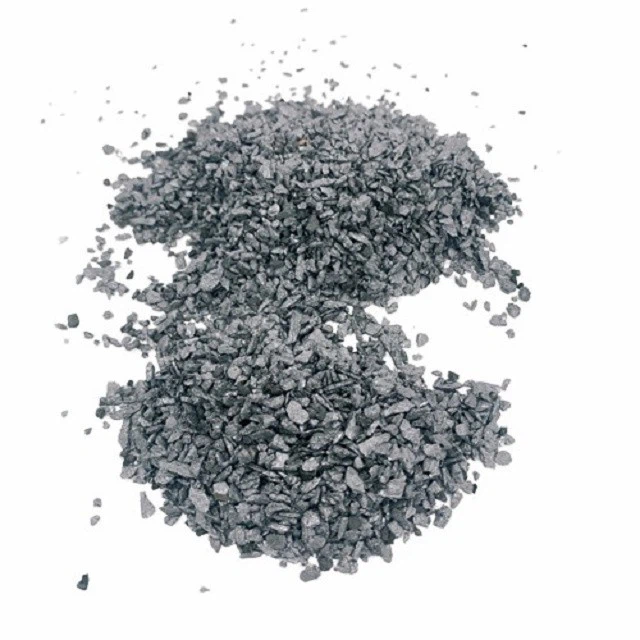
Ferrosilicon powder is typically produced with a fine particle size. The small particle size allows for better dispersion and mixing in various applications, facilitating its integration into steel production processes. The particle size of ferro silicon powder is generally in the range of 0.1 to 3.0 millimeters (mm) or even finer, depending on the production method and application requirements.

Melting Point

Ferro silicon has a relatively high melting point, which contributes to its stability at high temperatures during steelmaking processes. It generally ranges from around 1,200 to 1,400. The melting point can vary based on the specific composition of the ferro silicon alloy.


Color

The color of ferrosilicon powder is usually gray to black, reflecting its metallic nature. The specific shade can depend on the exact composition and impurities present.


Density

The density of ferro silicon powder is influenced by its silicon content. Higher silicon content generally leads to a higher density but the density of ferro silicon powder typically ranges from about 6.7 to 7.2 g/cm.


Chemical Properties of Ferro Silicon Powder
ferro_silicon_powder_70

Composition

Ferro silicon powder is primarily composed of iron and silicon, with silicon content ranging from 15% to 90% or more. The exact composition depends on the intended use and specific requirements of the steel production process.

High Purity Ferrosilicon

Inoculation

Inoculation refers to the introduction of small amounts of ferro silicon into molten metal to control the structure of the resulting steel. It helps regulate the size and distribution of graphite flakes in cast iron.

Ferrosilicon Production

Deoxidizing Agent

One of the key roles of ferro silicon in steel production is as a deoxidizing agent. It reacts with oxygen in the molten steel, reducing oxides and preventing the formation of undesirable compounds.

ferro_silicon_powder_70_2

Alloying Agent

Ferro silicon acts as an alloying agent, enhancing the properties of steel. It improves the strength, hardness, and magnetic properties of the final steel product.


Ferro silicon Powder Manufacturing Process


By Grinding
In the standard process liquid ferrosilicon is removed from the furnace, cooled, crushed, and ground to the desired fineness. Fine and coarse powders are available. The finer one is preferred in the first stages of a sink and float plant. After some running time the coarser quality is added to make up the loss and to correct wear. The actual separating vessel is of great importance; it should be so formed that the heavy sink product at its bottom cannot grind the ferrosilicon as in a ball mill. In many cases wet grinding is preferred as the less expensive process. This, however, is done locally because the ground sludges cannot be transported easily. Any drying must be carried out with extreme care because at higher temperatures decomposition occurs in consequence of increased corrosion. These grinding plants are rather expensive, and are often not running to their full capacity; yet it is useless to build a smaller plant for the mills must have a certain size for an economical treatment of this material. Ferrosilicon with a higher Si-content (for example, 45 or 75% Si) can be ground more easily because it is more brittle than the 15% which, as has been shown in tests, possesses a certain toughness making comminution difficult. Tests have shown that the grinding operation causes great wear of the mills and is costly.

By Atomizing
A new method of powder production has therefore been developed whereby the liquid melt is atomized by air or steam. The resulting particles are quenched in water, and the powder which after draining still contains approx. 10 % water is dried and screened. In contradistinction to the ground powder, the atomized powder shows neither decomposition nor rusting. This process is similar to the production of metal powders used in powder metallurgy. Provision must be made for substantial supplies of steam at controlled pressure. Approx. 2 tons of steam are used per ton of ferrosilicon. Atomization also produces finer or coarser grains as desired. The determinants are the steam pressure, temperature and composition of the ferrosilicon melt. It has been found to be of special advantage if, besides copper, other alloys are present in the melt, in the concentration needed to produce a good powder by atomization.


Applications of Ferrosilicon Powder


Adding a certain amount of silicon to the steel can significantly improve the strength, hardness and elasticity of the steel. Therefore, when smelting structural steel, tool steel, spring steel, and silicon steel for transformers, ferrosilicon is also used as an alloying agent. . Used as an inoculant and spheroidizing agent in the cast iron industry.


Adding a certain amount of ferrosilicon to cast iron can prevent the formation of carbides in iron and promote the precipitation and spheroidization of graphite. Therefore, in the production of ductile iron, ferrosilicon is an important inoculant (helping to precipitate graphite) and ball. Chemical agent.


Used as a reducing agent in the production of ferroalloys. Not only is the chemical affinity between silicon and oxygen high, but the high silicon ferrosilicon has a very low carbon content. Therefore, high silicon ferrosilicon (or siliceous alloy) is a commonly used reducing agent in the production of low carbon iron alloys in the iron alloy industry.


Not only is the chemical affinity between silicon and oxygen high, but the high silicon ferrosilicon has a very low carbon content. Therefore, high silicon ferrosilicon (or siliceous alloy) is a commonly used reducing agent in the production of low carbon iron alloys in the iron alloy industry.


Use in other areas. The finely or atomized treated ferrosilicon powder can be used as a suspension phase in the beneficiation industry.


Can be used as a coating for welding rods in the electrode manufacturing industry. High silicon ferrosilicon can be used in the chemical industry to make products such as silicone.


Common Problem of Ferro Silicon Powder


Q: What is the use of silicon powder?

A: Adhesives & Coatings: Silicon powder has excellent bonding capabilities, making it ideal when used in sprays and coatings on varying surfaces to create a sure bond. It also prevents corrosion and oxidation due to having no reactions to waters or acids.
Silicone Rubbers, Oils, and Resins: When it comes to synthetic materials, silicon powder is highly used. It is the basic metal for silicone rubbers, resins, and oils due to its water resistance, temperature tolerances, and electrical insulation properties.
Lubricants: Silicon powder offers anti wearing and anti-aging properties. It is placed in lubricants and oils as the silicon allows the liquids to flow smoothly over metal surfaces. It forms into a film over the parts to provide enhancements to friction performance.
Semiconductors: Silicon is used in integrated circuits throughout the semiconductor industry. The powder offers thermal stability created from electrical fields and operating systems so components function without experiencing changes to their mechanical or structural properties.
Refractory Materials: Silicon offers refractory properties to processes that require the use of constant high temperatures or pressures. It may be used as a lining for iron smelting processes or mud water cannons as it resists wear, temperatures, and oxidation.

Q: What is silicon powder made of?

A: Silicon powder is a silicon that has been reduced to a fine powder consistency. Silicon is a chemical element with the symbol Si and atomic number 14. It is a hard, brittle metalloid-which means that it has both the properties of metal and nonmetals.

Q: What is the use of silica powder?

A: It is used as a filler for Paint, Rubber Industry, in making ordinary Glass, Ceramics, Construction and in the preparation of other substances like Silicon carbide. Extremely fine particle size silica are prepared synthetically and used in paints as flatting and viscosity control agents.

Q: What is the use of silicon metal?

A: Silicon metal is a grey and lustrous semi-conductive metal that is used to manufacture steel, solar cells, and microchips. Silicon is the second most abundant element in the earth's crust (behind only oxygen) and the eighth-most common element in the universe.

Q: Is silicon good or bad for health?

A: It's not clear if silicon has a function in the human body. But there's some evidence it might have a role in forming bone and collagen. People use silicon for weak bones (osteoporosis), aging skin, and many other conditions, but there is no good scientific evidence to support most of these uses.

Q: Is silica powder safe?

A: Breathing in dust from crystalline silica-containing materials can lead to lung disease. Silica dust particles become trapped in lung tissue causing inflammation and scarring. The particles also reduce the lungs' ability to take in oxygen. This condition is called silicosis.

Q: What are 5 common uses for silicon?

A: Highly purified silicon, doped (infused) with such elements as boron, phosphorus, and arsenic, is commonly known as a silicon wafer and is the basic material used in computer chips, integrated circuits, transistors, silicon diodes, liquid crystal displays, and various other electronic and switching devices.

Q: Is silica a natural ingredient?

A: Silica is a natural compound, found all around us in nature. Silica makes up over a quarter of the planet's crust and can be found in most rocks, clays and sands. Its forms include emerald, quartz, clay and glass.

Q: What is silicon used for at home?

A: Silicone is often used for baby nipples, cookware, bakeware, utensils, and toys. Silicones are also used for insulation, sealants, adhesives, lubricants, gaskets, filters, medical applications (e.g., tubing), casing for electrical components.

Q: Does silicon conduct electricity?

A: Silicon conducts electricity, but not as efficiently as metals. It's considered a semiconductor, which means its conductivity lies between that of conductors (like copper) and insulators (like rubber). This property makes silicon very useful in electronic devices.

Q: Where does silicon come from?

A: Silicon is a naturally occurring element found in many forms on Earth. The most common form of silicon is silicon dioxide, located in various rocks and minerals, such as quartz, granite, and sand.
Silicon can be extracted from silicon dioxide through a process called reduction. The most common silicon extraction method is reducing silicon dioxide with carbon in an electric furnace. This process produces silicon as a grayish-black powder, which is further purified to obtain high-purity silicon.
Silicon is also recovered from recycled materials, such as scrap metal and discarded electronics. This recycled silicon can make new products, such as solar cells, semiconductors, and other electronic components. Silicon can also be extracted from water by electrolysis in silicon hydride (SiH4), also known as silane. Silane is then further processed to produce pure silicon.

Q: How do you make high purity silicon powder?

A: High-purity silicon powder can be produced through chemical vapor deposition (CVD). CVD is a method of producing material in the form of a powder by reacting a gas mixture with a substrate material. The basic process of producing high-purity silicon powder using CVD involves the following steps:
Preparation of the Substrate: A substrate material, typically made of silicon or silicon dioxide, is prepared and cleaned to remove any impurities.
Gas Mixture Preparation: A gas mixture of silicon-containing gases, such as silane (SiH4) or disilane (Si2H6), is prepared and purified to remove impurities.
CVD Reaction: The gas mixture is introduced into a reactor chamber and heated to a high temperature. The silicon-containing gases react with the substrate material, producing silicon powder on the substrate surface.
Powder Collection: The silicon powder is then collected from the substrate surface.
Purification: The silicon powder is then purified to remove any impurities and to obtain high-purity silicon powder. The purification process can include sublimation, distillation, or recrystallization methods.

Q: How is ferrosilicon made?

A: Ferrosilicon, commonly abbreviated FeSi, is an iron–silicon alloy that also contains smaller proportions of other elements. The most popular grade of ferrosilicon contains 75 wt% silicon ('FeSi75'), but the amount can range from 15–90 wt% depending on the application. The highest-quality ferrosilicon is made in an electric arc furnace by reducing silica with coke in the presence of iron (usually derived steel scrap or iron ore). The ferrosilicon usually takes the form of shiny, metallic-grey lumps, but is also available as pre-formed briquettes.

Q: What are the specifications and grades of ferrosilicon?

A: The usual chemical composition of Ferrosilicon is a Silicon content of 15%, 45%, 75%, or 90%. Most of the remaining compound are made up of iron, with about 2% of other elements, usually aluminium and calcium.

Q: Is Ferrosilicon toxic?

A: Yes, ferrosilicon is quite toxic, and direct contact should be avoided. When exposed to moisture, ferrosilicon can produce toxic and flammable gasses, hazardous to human health. Ferrosilicon can cause irritation to the skin and eyes, and an irritated respiratory tract when inhaling the gasses. The necessary precautions should be made when handling the product, including personal protective equipment such as filter respirators, goggles, protective gloves and clothes.

Q: What is the difference between Atomised and Milled Ferrosilicon?

A: Not sure about Milled vs. Atomized Ferrosilicon for your process needs? Milled 15% Ferrosilicon is the most cost-effective option, but quality is however not always constant, leading to difficult operation and inconsistent consumption. Finer grades of Ferrosilicon, leading to higher milling costs, yet causes higher loss. Atomized Ferrosilicon, although more expensive of the two Ferrosilicon ranges, offers lower (and more consistent)consumption.

Q: How is Ferrosilicon used diamond processing plants?

A: Ferrosilicon is used in a number of different applications and industrial processes, but mainly in diamond processing plants. Ferrosilicon is used to create a medium with a very specific density that will facilitate the separation of diamonds from diamond-bearing material, by means of dense media separation / the sink-float method. Ferrosilicon is manufactured in different grades, each with slightly different characteristics and properties, which makes it easier to select the right grade for use in diamond processing plants.

Q: What is Ferrosilicon used for?

A: There are a number of uses of Ferrosilicon products, including, but not limited to:
Deoxidizing steel: Ferrosilicon is used in steelmaking industries, deoxidizing steel as well as other ferrous alloys. This helps to prevent loss of carbon from molten steel.
Dense media separation of diamonds: Ferrosilicon products are widely used in Diamond Processing plants, in the dense media separation process. Ferrosilicon powders in combined with a liquid base to form a pulp of the desired density. Diamond bearing material is the submerged into the pulp, which will ultimately separate the diamonds from other materials via gravity.
Heavy media separation: Ferrosilicon is widely used in the metallurgical industry for the processes of atomisation, melting and heavy media separation reactions.
Pre-alloys: Ferrosilicon is used in the manufacturing of pre-alloys such as Magnesium ferrosilicon and other.

Q: What are the important applications of ferrosilicon?

A: Application of Ferrosilicon in Steelmaking: According to statistics, about 75.3% of the world's annual ferrosilicon is used in steelmaking, and its main application is to deoxidize steel, thus effectively reducing the amount of oxides in the steel and improving the purity of the steel. Ferrosilicon is an important deoxidizing material in the production of high-quality steels such as silicon steel, bearing steel and high-carbon steel.
Application of Ferrosilicon in Casting: Ferrosilicon for casting must be characterized by low sulfur and low nitrogen. When used, ferrosilicon is crushed and processed into 10mm~50mm particles, thus speeding up its melting speed in iron water. When ferrosilicon is melted in iron water, since silicon is a good accelerator, it can greatly increase the number of pellets, enhance the density of castings and improve all aspects of casting performance. Ferrosilicon is widely used in the production of gray cast iron, graphite cast iron and other castings.
Application of Ferrosilicon Powder for Mineral Processing: After grinding and water atomization, ferrosilicon can be processed into powder form, because ferrosilicon is slightly magnetic, so it is widely used in the field of mineral processing. The use of flotation hair, the need to screen the copper ore, diamond ore and chrome ore to the ferrosilicon powder solution, low density will float on the surface, high density will sink to the bottom, so as to play an effective role in screening. Due to the slightly magnetic properties of ferrosilicon powder, it is easy to be recycled after beneficiation for secondary use, which greatly reduces the cost of beneficiation, and is an important material for beneficiation.

Q: How do you use ferro silicon?

A: Ferrosilicon is also used for manufacture of silicon, corrosion-resistant and high-temperature-resistant ferrous silicon alloys, and silicon steel for electromotors and transformer cores. In the manufacture of cast iron, ferrosilicon is used for inoculation of the iron to accelerate graphitization.

Hot Tags: ferro silicon powder, China ferro silicon powder manufacturers, suppliers, Low Aluminum Ferrosilicon, Silicon Slag, Silicon Slag 50, Si Slag Powder, ferrosilicon 72, Ferro Silicon

Send Inquiry

whatsapp

Phone

E-mail

Inquiry